




Tom O'Brien CJDR - Indianapolis

Blog / Indianapolis Chrysler Service

3 Engine Problems You Should Always Fix at Your Chrysler Dealer

Sad,Woman,Standing,On,The,Road,By,The,Broken,Car

No one knows the ins and outs of a Chrysler engine better than a qualified technician at a certified Chrysler, Dodge, Jeep, and RAM dealership. That's why it's always a wise decision to take your car to a Chrysler dealer if you're experiencing any of these three common engine problems.

3 Engine Problems You Should Always Fix At Your Chrysler Dealer

Damaged Ignition Coil

The ignition coil is a key component of your car's engine. Fitted above the spark plug, the coil amplifies your car's normal 12-volt alternator voltage to a staggering 50,000 volts, triggering the spark that ignites the fuel-air mixture in your engine's cylinders.

A damaged or worn ignition coil can cause all sorts of engine performance problems because it won't provide enough power for its spark plug. The lack of power can cause misfiring, or prevent combustion in the cylinder altogether. Strange noises from the engine and poor acceleration are other common symptoms of a bad ignition coil. If you think you might have a problem with your ignition coil, it's important to get it fixed as soon as possible.

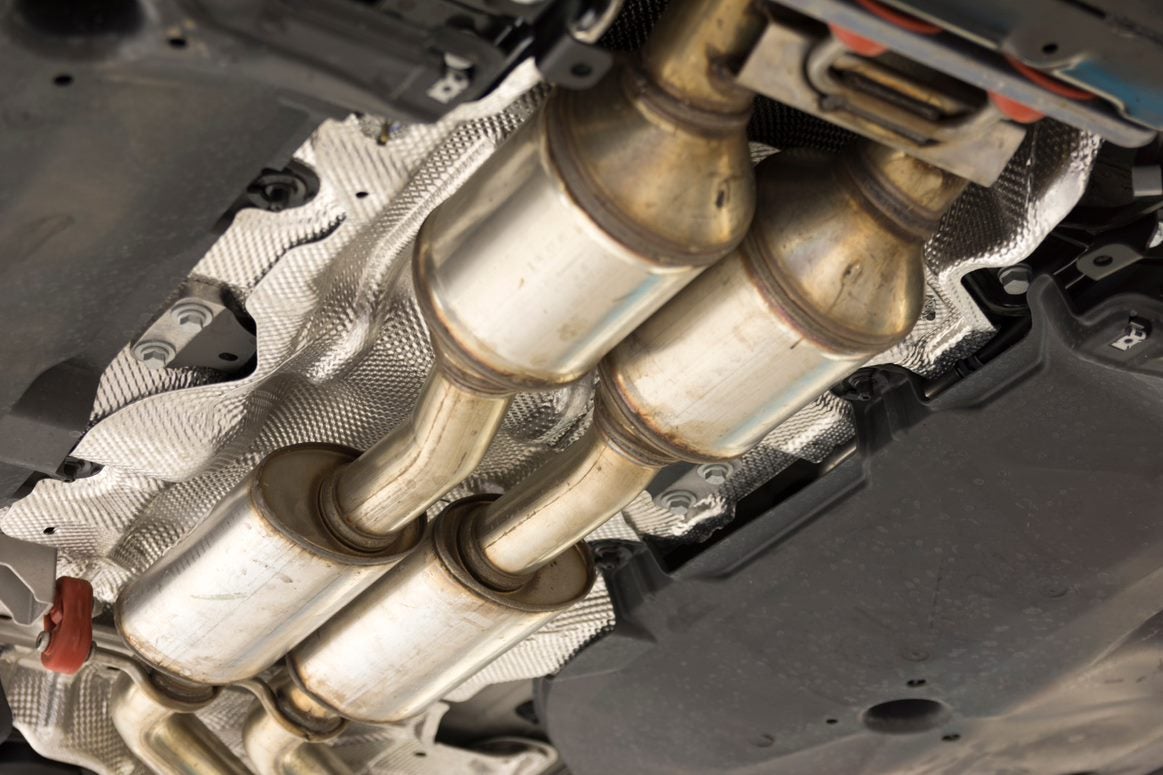
Damaged Catalytic Converter

As your car's engine burns fuel, it produces several unwanted combustion byproducts that are released into the exhaust system. These can be harmful to both your car and the environment, so your car's catalytic converter is designed to convert them into harmless chemicals before they are released into the air. However, the converter can become blocked or damaged by a build-up of byproducts, especially carbon.

Should this happen, the engine gases forced into the exhaust system will flow back into your engine. This backflow can lead to problems like stalling, damaged spark plugs, and poor fuel efficiency. A skilled technician can examine your converter and remove any blockages that may have formed, or replace the converter if necessary.


Colored Tailpipe Exhaust

More a symptom of a problem than the problem itself, colored exhaust smoke from your car's tailpipe is one of the easiest ways to tell that something is wrong with your engine. If you see black, blue, or white smoke coming from your exhaust, it's a definite sign that fluids are leaking into the exhaust system.

Black smoke is a sign of a damaged catalytic converter or an engine running rich on too much fuel. Blue or white smoke both point to a damaged head gasket. Blue smoke means engine oil is leaking through a crack in the head gasket into the exhaust. White smoke also indicates leakage into the exhaust, but instead of oil, it's water from the engine's coolant that's leaking through the blown gasket.

These are just a few engine-related problems that you should always fix at your local dealership. If you're experiencing these or any other engine performance issues, call today to schedule a service appointment at Tom O'Brien Chrysler Dodge Jeep Ram - Indianapolis.

Posted in:

Related Posts

car tires 2

When Should Indiana Drivers Get New Winter Tires?

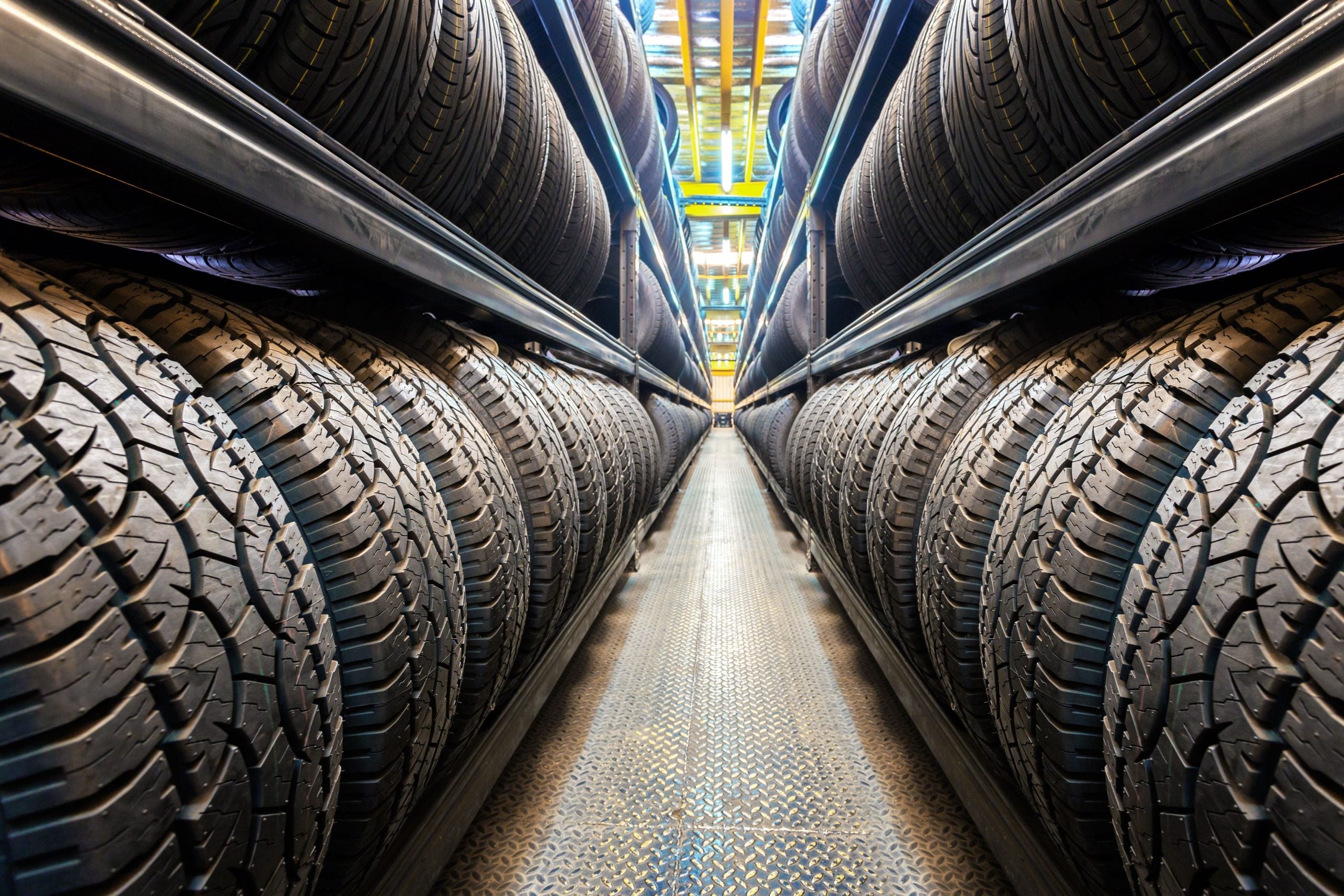
As the temperatures drop and the snowflakes begin to fall, all of us drivers here in Indianapolis, IN, need to take a moment to consider the state of our tires. Winter driving can be treacherous, and having good tires can make all the difference in maintaining safety on the road. What Are Winter Tires? Winter tires are designed to perform well in cold temperatures, snow, and ice. Their unique rubber compound remains pliable in freezing conditions, providing better traction and grip. In addition, their tread patterns are specially designed to channel snow and slush away, enhancing control and preventing accidents. And just like normal tires, these tires will need to be replaced after a few seasons of wear and tear. more When Should Drivers in Indianapolis, IN Get New Winter Tires? Tread Depth One of the key indicators that it's time to invest in new tires is the tread depth. The minimum recommended tread depth for tires is 6/32 inches. To check the tread depth, you can use a tread depth gauge or even a penny. If you can see the top of Lincoln's head when you insert the penny into the tread, it's time for new tires. Insufficient tread depth can result in reduced traction, leading to dangerous skidding on slippery roads. Age of the Tires Even if your tires have adequate tread depth, it's essential to consider their age. Rubber deteriorates over time, and tires can lose their effectiveness as they age. If your tires are more than six years old, it's advisable to replace them, even if they appear to be in good condition. Older tires may not provide the same level of grip and safety as newer ones. Visible Damage Inspect your tires for any visible damage, such as cracks, bulges, or punctures. Damage to the tire's sidewall or tread can compromise its performance and safety. If you notice any signs of damage, it's best to replace the tire promptly. Climate and Weather Forecast In Indiana, winter weather can vary from mild to severe. Monitoring the climate and weather forecast can help you determine when it's time to install those tires for the winter months. It's advisable to get tires on your vehicle before the first significant snowfall or when temperatures consistently drop below 45°F (7°C). Don't wait until winter's worst weather hits. Visit us here at Tom O'Brien CJDR - Indianapolis today, and make sure you're equipped for safe winter driving. We offer a wide selection of tires that are designed to provide exceptional performance in cold and snowy conditions. Our experienced technicians can help you choose and install the right tires for your vehicle to get you through these winter months safely.

3 Electrical Problems You Should Always Fix at Your Chrysler Dealer

3 Electrical Problems You Should Always Fix at Your Chrysler Dealer

​​​​​​​​​​​​​​​​​​​​​​​​​​​​​​​​​​​​​​​​​​​​​​​​​​​​Electrical problems are some of the most frustrating issues for any driver, as the source of the issue is difficult to pinpoint. Fortunately, your Chrysler dealer is here to help you. We can quickly and easily fix any possible fault in the electrical system. These are a few of the issues we can repair. 3 Electrical Problems You Should Always Fix at Your Chrysler Dealer Battery Issues The battery's most important task is to supply the power used to start your engine. Its secondary function is to maintain your car's electrical systems when the engine is switched off. Electricity is stored in the battery in the form of chemical energy. Over time, the battery chemicals will degrade, and the battery will fail naturally. This usually occurs within three to five years. more A battery can also be affected by other engine issues. The alternator is responsible for replenishing the power used by the battery. If your alternator is weak or damaged, it can't fully recharge the battery, and the battery will weaken. Other issues like corroded battery clamps or wiring issues can cause battery problems. Our technicians are experts at diagnosing and repairing any battery-related situation. Starter Issues As we saw above, the battery supplies power to start your engine. When you push the start button, an electrical impulse is sent from the battery to the starter solenoid. This charge activates the solenoid, which then powers the starter. The starter then cranks your engine, and this mechanical process starts combustion, which then powers your car. If you experience slow cranking or the engine won't crank at all, you could have a starter problem. A starter can fail due to age, but it's more common for the solenoid to wear out. A failed solenoid won't pass the charge to the starter, and this prevents the engine from cranking. A start-related problem will cause the battery warning light to illuminate. We'll examine your starter and the rest of the system and fix the problem. Alternator Issues The alternator is a mini electrical generator that supplies power to your Chrysler's systems. It's powered by the movement of the crankshaft as you drive. An alternator is a very rugged component with few moving parts, but even it can eventually wear out. A failing alternator produces less electricity than it previously did, and this supply will drop until the alternator fails. A failing alternator will cause a variety of problems, from jammed systems, like heated seats that refuse to work, to dim headlights, to a dead battery. We can test your alternator, and replace it if it's wearing out. Electrical system problems can be quickly repaired by our technicians, especially if identified early. Contact our service department today at Tom O'Brien CDJR - Indianapolis in Indianapolis, IN.

thumbnail

Does Your Chrysler, Jeep, Dodge, or RAM Need a New Catalytic Converter?

The combustion process that provides the energy to move your car also generates toxic chemicals. These chemicals would contribute to airborne pollution, but your Chrysler has a very efficient catalytic converter that prevents this. The converter will eventually wear out or get damaged, and you'll need a replacement from your Chrysler dealer. We'd like you to know some signs that your converter could be in trouble. Signs You Need a New Catalytic Converter From Your Chrysler Dealer Your Engine Dies Just After It Starts If you start the engine, and it dies within seconds of starting, you could have a converter problem. When the engine is running, the combustion process produces a residue in each cylinder. This residue consists of burnt fuel and air, and it's dumped into the converter when each cylinder opens. Once inside the converter, the residue is converted into less toxic chemicals and then passes out of the exhaust pipe. more Carbon is a byproduct of conversion, and it can build up in the converter and block the exit of the converter. This blockage forces the exhaust gases back into the engine and increases engine pressure. If the converter is completely blocked, the exhaust gases produced when your engine starts can raise the pressure high enough to shut down your engine. We can fix this problem by removing the blockage. Your Converter is Blue The converter is one of your car's components that you can examine without any special tools or effort. If you look underneath your car and follow the exhaust pipe to the front of your car, you'll spot the converter. It's bulbous or oblong and looks shinier than the rest of the exhaust system. If you look at the converter, and it's blue or blue-tinged, your converter has failed. A converter operates at a temperature of 1,200 F to 1,600 F, and a temperature of 2,000 F or over, can destroy its internal structure. The internal temperature in the converter can rise due to engine misfiring. When this happens, the hot, unburnt contents of the cylinder are dumped into the converter and can raise it enough to burn out. We'll examine the converter and replace it if it's damaged. Check Engine Light An illuminated check engine light is always a sign of an engine problem. Every vital component in your engine has a sensor connected to it. These sensors report any problem with the component they're attached to. If the converter is blocked or has developed any other problem, sensors will detect the problem and inform your computer. When this happens, the check engine light will illuminate as a warning of the problem. Our technicians will identify the problem and repair or replace the converter if it's damaged. If your converter is failing, call us right away at Tom O'Brien CDJR - Indianapolis.