





Distractions Are a Big No-No
Don't Play Around With Power Windows
Always Stay Buckled In
Stay Safe Outside of the Car, Too


Mastering driving in weather for all seasons is one of the most important ways to be a safe, responsible driver and protect yourself and your vehicle at all times. These weather safety tips can help you to be a more conscientious driver and give you a lot of peace of mind on the road. How To Navigate Weather for All Seasons 1. Be Proactive Make sure to prepare your vehicle for inclement weather, especially if you live in an area that gets a lot of snow. Check your tires and make sure there are no bald spots. Change your windshield wipers as needed, and keep your wiper fluid filled up. Get a tune-up and oil change, and make sure the brakes work correctly. Doing all these things will allow you to get better traction on the road, stop better on slippery surfaces, and have good visibility even when the snow starts to fall. 2. Take it Easy It's a simple fact that you can't go as fast in tricky weather as you can when it's sunny outside. It pays to pump the brakes a bit when it's raining or snowing, as you'll be less likely to spin out, hydroplane, or have trouble braking. Leave yourself a little extra time to get where you need to go and avoid rushing when the roads are wet, icy, or snowy. It's also a good idea to leave more than a car-length in front of your vehicle just in case the person ahead of you hits the brakes and you need to stop suddenly. 3. Use Headlights Different weather conditions can certainly affect your visibility, so it's a good idea to use your low beams to cut through fog when you're driving on a busy road. You can flip on those high beams if you're on the back roads, but be aware that they can blind other drivers on major roads. Some models come with automatic running lights that should adjust to the conditions. If not, have your low lights at the ready while you drive. 4. Listen to Weather Warnings Don't chance the roads if there's a driving ban. Roads can be slick, snow-packed, or unsalted, leading to significant accidents and very slick conditions. Driving under a ban can actually put yourself and others at risk. If you're unsure of the road conditions, tune into local radio in the morning or check the news. It's always better to be safe than sorry. Heeding weather warnings, taking it slow, and making sure that your vehicle is in tip-top shape before the snow starts flying are all great ways to master navigating the roads in any and all conditions. Stop in and see us at Tom O'Brien CJDR and test drive a weather-ready reliable vehicle today.
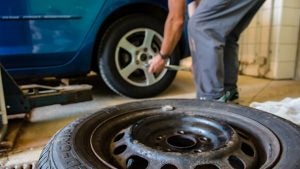
Your car is a freedom outlet, a commuting partner, and an investment all wrapped into one. Chances are you've grown so attached to it that you've named it and perhaps even considered it a close friend. Well, much like your flesh-and-blood friends, you cringe when you hear your car wincing in pain or distress. While rubbing the dash and saying "easy, girl" sometimes works, certain sounds are signs of bigger problems. Keep an ear out for these car noises that scream trouble. Grinding While Braking If you hit the brakes and it sounds like you're dragging a shovel along a piece of sheet metal, it's a sign that you're in dire need of some brake work. Most often, this means you need new brake shoes or brake pads, but other times, it can become so drastic that you might actually ruin the brake rotor or caliper. If you notice this sound, it's best to visit a professional mechanic before you cause even more expensive repairs. Rattling Wheels When your wheels make rattling noises, and you notice your car driving bumpily down the road, chances are there's something awry with how your wheels are attached to the vehicle. Many times this occurs when the lug nuts aren't tightened, which allows the wheel to move at different angles. While this may be the result of an auto shop forgetting to tighten the nuts, there are also reports of miscreants doing it just for a kick. Either way, if your car sounds like coins or metal in a dryer, pull over and check your lug nuts immediately. Popping or Clicking When Turning When you're making a turn and you notice a popping or clicking noise that stops once you straighten the wheel, this a telltale sign that your constant velocity (CV) joints are going bad. These joints are integral to the operation of your vehicle, as they connect the transmission to the front wheels. When these joints fail, it can drastically lower your vehicle's handling ability. Squealing or Chirping When Starting or Accelerating When your vehicle squeal or chirps every time you fire up the engine or hit the accelerator, your serpentine belt is in danger of going out. This belt is responsible for transferring power from the engine to many of the car's most vital accessories including the air conditioning, alternator, and power steering mechanism. Your car will still run even if the serpentine belt breaks, but you'll be without many of the comfort features of your vehicle. Replacement is relatively easy and one of the cheaper repairs you'll come across. Rumbling Under the Car If you've turned the key to your 1973 Gremlin and it suddenly sounds like a Corvette, you have a problem with your exhaust system. Most often, this is the result of a hole in the exhaust system, but it could also mean you need a new catalytic converter. Unless your car's screaming is coming from the music you're blaring on the radio, serious sounds are excellent warnings of impending problems. Don't take them for granted, or you just might be the one making the troublesome sounds. Image via Pixabay