



Tom O'Brien CJDR - Indianapolis

Blog / Car tips

Blog

All Car tips Around Town Jeep Indianapolis Chrysler Service Ram Truck Events & Excursions Dodge Vehicles Tom O'Brien CJDR - Indianapolis Service Dodge Cars Indianapolis Jeep Dealer Indianapolis Chrysler Dealer Chrysler New Cars Safe Driving Tips Indianapolis Jeep Service Tom O'Brien CDJR Indianapolis Indianapolis Used Cars Used Cars
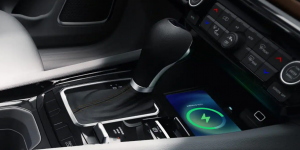
gear shift in a 2022 Jeep Compass

4 Reasons Your Chrysler Should Get an Engine Diagnostic

As a car owner, it's important for you to be constantly on the lookout for signs and symptoms of impending trouble. Every time you turn in your car or hit the road, take note of any odd behaviors or strange issues that may arise, and, once you notice them, get to your Chrysler dealer as soon as possible for an engine diagnostic. Automotive problems will only worsen over time if they go untreated. 1. Knocking Noise A knocking noise that begins to come from under the hood is an indication of engine trouble. If the noise rises and falls in speed with the engine's RPMs, then an engine bearing is most likely failing. Engine bearings support the movement of the moving engine parts, and when it seizes, the car's engine can suffer some major damage. more 2. Increased Exhaust If you notice more smoke than is typical coming out of your vehicle's tailpipe, then a maintenance appointment should be scheduled. The color of the smoke will often indicate the type of problem that is occurring. Blue smoke is indicative of burning oil, and white exhaust means that coolant has gotten into the combustion chamber. Black smoke is never a good sign, as it means that too much fuel is being used. 3. Illuminated Check Engine Light The check engine light was installed on your vehicle to alert you to a problem before your car completely shuts down. Too many people ignore that light multiple times after turning their car on, resulting in increased damage. When the check engine light illuminates, getting your vehicle in for a diagnostic test is imperative in preventing further damage. If left unchecked, whatever issue has arisen will become larger, costing you more time and money to fix it. 4. Decreased Performance If you have noticed a decrease in fuel efficiency, or it has become difficult to get your car to accelerate on command, then your engine may not be working at its best. A failing engine can present in many ways, but a decrease in overall performance is a good indication that there is a problem that needs to be addressed. Another sign that may be tough to identify on a regular basis is if your car begins to require more warm-up time than is typical. You know your car best, so pay close attention to what is considered normal for your engine. A more serious sign could be if your engine turns itself off when the vehicle has come to a stop. Even if it turns back on, a rough idle means your engine is struggling. Never hesitate to visit our dealership if you suspect that your engine, or another part of your vehicle, is experiencing issues. For quality technicians and professional engine repair, contact us today at Tom O'Brien CJDR - Indianapolis. Our expert team will diagnose and repair any issues at hand, getting you back on the road as quickly and safely as possible. Give us a call to schedule your next auto repair.   Image via Jeep.com
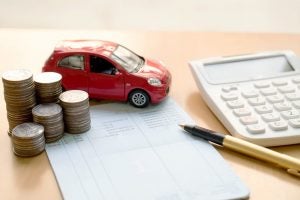
Calculator with Toy Car and Pen, Paper, and Coins

3 Tips for Getting Car Financing at Your Chrysler Dealer

Obtaining a great car financing deal from your local Chrysler dealer isn't difficult. In fact, we have developed tools and services that help you to find everything you need online and to get approved as quickly as possible. As long as you know what you can afford and what your current financial situation is, you'll be able to drive home your new Chrysler in no time. 1. Get Your Finances Sorted Out You won't be able to make an informed purchase if you don't know where you stand financially. For this reason, the first thing you should do is use the payment calculators available on the dealer's website to figure out how much you can afford to pay every month and which cars could be within your price range. Remember to include the value of your previous vehicle in the calculations, as you'll be able to trade it in for your new Chrysler. A part of figuring out where you stand financially is also having a look at your credit history and your current credit score. This will affect the kinds of interest rates and deals you're able to receive. In the months leading up to your purchase, make sure you don't miss a bill or mortgage payment and try not to apply to too many forms of credit at once since these applications could lower your score. more 2. Use All the Online Resources Available On your dealer's website, you can find a number of resources that could be helpful to you. If you already know what you want and you have a reasonably good credit score, you can apply for financing directly. However, some of our customers aren't sure yet or would like to have the options explained by a member of our team. In this case, you can use the "Easy Finance" form to get in touch. Once we read your request, we'll respond to you as soon as possible. You can then either get more information over the phone, or you can come to the dealership in person and speak to us about your upcoming purchase. 3. Protect Your Investment A car is a long-term investment, and you'll need to protect it in order to maximize your financial situation. We have a number of options available for you, such as an extended warranty and several types of extra insurance that cover you in different scenarios. What's more, we'll always offer you brand-specific service and repairs, so you can come to us whenever there is an issue or when you need us to perform diagnostic checks on your vehicle. Here at your dealership, we offer some of the best rates and the most exciting financing deals for your new vehicle. In addition, you can take advantage of them no matter who you are and what your financial history is. You can get started by talking to one of our talented finance experts or by browsing through our comprehensive online resources. Call us now at Tom O'Brien CJDR - Indianapolis and find out how you can purchase the car of your dreams.

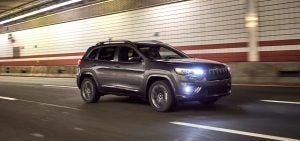
2021 Jeep Cherokee Driving Through a Tunnel

3 Signs Your Chrysler, Jeep, Dodge, or RAM May Need a Transmission Repair

Your motor may be the heart and soul of your powertrain, but your transmission is also a key piece of the puzzle. If your transmission isn't functioning appropriately, your vehicle may not even go into first gear. If it goes into first gear, it may not leave. Unfortunately, the longer you put off a transmission repair, the more extensive the damage will be. Here are some signs you need to visit your local Chrysler dealer for an emergency service appointment. 1. You Hear Knocking Sounds When You Accelerate Quickly One of the clearest signs that there is something wrong with your transmission is hearing knocking sounds when you accelerate quickly, decelerate quickly, or change gears. Sometimes, knocking sounds are an indication that there is something wrong with the engine mount. However, if you only hear knocking sounds during the three aforementioned situations, your transmission mount may be loose or broken. The sooner you get your vehicle in for a repair, the more likely you are to fix the problem before it gets very serious. more 2. You Smell Something Wrong You can also tell that something is wrong with your transmission if you smell something sweet as you walk up to your vehicle. Since your transmission is designed to be a closed system, you will know that you need to schedule an emergency service appointment if you are noticing signs of a transmission fluid leak, like the sweet smell of transmission fluid. If you smell something sweet as you walk up to your vehicle, check under your vehicle for a pink, red, or brown puddle. Usually, transmission fluid is pink, but it can darken and change color as it ages. If you see transmission fluid pooling under your vehicle, check the reservoir to make sure it doesn't need to be topped off. If there isn't enough transmission fluid in your reservoir, don't drive it until it gets topped off. Insufficient transmission fluid can cause serious damage. 3. You Notice Erratic Gear Shifting Another sign that your transmission needs to be repaired is erratic gear shifting. If you have an automatic transmission, you may have a very serious problem with your transmission control unit, sometimes referred to as a TCU. If you have a manual transmission, there may only be a problem with your clutch for now. However, regardless of the type of transmission you have, it is very important to have the problem fixed right away. The longer you go without a transmission service, the more likely you are to experience damaged gears. Your vehicle has many ways to tell you that there is something wrong with your transmission. For instance, you may hear knocking sounds only during certain circumstances, you may smell something wrong, or you may see something wrong. If you notice any of the aforementioned signs of a damaged transmission, contact us right away at Tom O'Brien Chrysler Jeep Dodge Ram on E 96th St to schedule a service appointment. Image via jeep.com

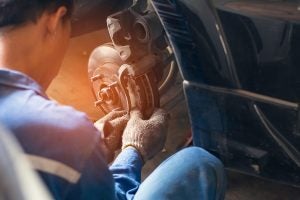
Service Technician Repairing Brakes

Does Your Chrysler, Dodge, Jeep or RAM Need a Brake Repair?

Your brakes are absolutely essential to the safe operation of your vehicle. If you don't bring your vehicle in for maintenance every 18,000 miles, there is a very good chance that your brakes will fall into disrepair and need to be worked on. Today, we're looking at the most common signs that your Chrysler, Dodge, Jeep, or RAM is in need of a brake repair at your Indianapolis, IN Chrysler dealer. Your Car Makes Funny Sounds One of the most common signs that your brakes are in disrepair is funny sounds that occur when you slow or stop your vehicle or release your brakes. For example, you may hear a clicking sound if the components that hold your brake pads against your brake rotors are warped due to excessive heat exposure. For instance, the clips, bolts, or pins that are responsible for holding your brake pads together may become damaged. more You also may hear squealing as your brake system falls into disrepair. Squealing occurs when the metal of your brake rotor grinds against the metal indicator strip that lies beneath the brake pad. When your brake pads are so worn that the metal indicator is exposed, your brake system is in such disrepair that your stopping distance will be increased drastically. This is particularly dangerous when the roads are wet and a short stopping distance is crucial. Your Brake Pedal Vibrates There is also a chance that your brakes need to be repaired if your brake pedal vibrates when you depress or release your brake pedal. A vibrating brake pedal is caused by prolonged excessive heat exposure unevenly melting the adhesive that helps to keep your brake rotor together. When your brake rotor is not exposed to excessive heat, the adhesive melts and spreads evenly. Your Brake Fluid Is Leaking Another common sign that you need to have your brakes repaired is an indication that you have a brake fluid leak. To tell that your brake fluid is leaking, check your brake fluid level monthly. If your brake fluid level is low, you need to schedule a service appointment right away. However, you may have a slow leak and need to check your brake fluid level consistently over the course of several months to detect a leak. You also can tell that you have a brake fluid leak by its distinct smell of fishy oil. It is extremely difficult to tell whether you have a brake fluid leak by seeing fluid beneath your vehicle because brake fluid comes in so many colors depending on the brand. There are several signs that you may be in need of a brake job, including funny sounds, a vibrating brake pedal, and signs of a brake fluid leak. If you have noticed any of the aforementioned signs of brakes in disrepair, contact us today at Tom O'Brien Chrysler Jeep Dodge Ram - Indianapolis on E 96th St to schedule a service appointment.

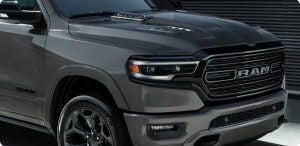
Gray 2021 Ram 1500

Is It Time for Your RAM Oil Change?

Your truck doesn't get the gas mileage it used to, and you're at a loss trying to determine the cause. You're not towing or hauling heavier loads than you usually do. You're not spending more time stuck in school traffic. The cause of the extra time you're spending at the pump may be your motor isn't getting enough oxygen to combust the fuel in your tank. Here's how you can tell it is time for your RAM oil change. You Can't Remember the Last Time You Brought Your Truck in for an Oil Change If you can't remember the last time you brought your truck in for an oil change, the time is now to schedule an appointment. After your oil change, make a note in your phone of the mileage and keep in mind that oil changes performed with synthetic motor oil should occur every 12,500 miles. Oil changes performed with conventional motor oil should occur every 5,000 miles or six months, whichever comes first. Also, you should keep in mind that you should get an oil change at least once annually if you opt for synthetic motor oil and do not drive 12,500 miles in 12 months. more Your Fuel Efficiency Isn't What It Used to Be Another sign it is time to bring your truck in for an oil change is you are fueling up more often than you should be fueling up. Depending on whether you have a diesel- or gasoline-fueled motor, your motor needs 14.5 or 14.7 kg of air to combust one kg of fuel. If you go too long without an oil change, there is too much sludge in your fuel and efficient fuel combustion does not occur. This results in spending too much time at the fuel pump. Your Truck Is Accelerating Slowly If your truck is accelerating more slowly than you think it should, particularly if you're not towing or hauling a heavy load, it is time to bring your truck in for a professional oil change. Over time, deposits form in your motor oil. As more time passes, these deposits turn into sludge. This sludge circulates throughout your motor and decreases its power, decreasing acceleration. You Smell Something Funny If you smell something oily, you may have an oil leak. If you smell something burning, that may be burning motor oil, and your engine may overheat. If you smell something sweet or reminiscent of fish oil, you may have a different kind of fluid leak. Your local certified RAM technician can identify the source of the leak and fix it before serious damage is done to your vehicle. There are several signs it is time to bring your truck in for an oil change, including fuel inefficiency and not remembering the last time your oil change was performed by a certified RAM technician. If you can't remember the last time you had your motor oil changed by a professional, contact us today at Tom O'Brien Chrysler Jeep Dodge Ram to schedule a service appointment. Image via Ramtrucks.com

Person Holding Car Keys

Tips For Preparing to Buy a Car

Whether it's your first vehicle or your fifth, buying a car comes with its own set of challenges. That's why we've put together this list of helpful tips and strategies. Use this handy guide before you head to the dealership so you'll be better prepared for your next new set of wheels. Set a Budget The first step in the car buying process is to set a realistic budget. Expand your thought process here because there's more to owning a car than your monthly loan payment. Remember to include essentials like gas, insurance, and maintenance. Once you've got this bottom-line number, you'll have the tools you need to negotiate a deal. It's also a good idea to have a sense of how much money you want to put down. If you need help putting together your budget, use an online car affordability calculator, such as the one by MoneyUnder30.com. more Do Your Research The last thing you want to do is arrive at the showroom without doing any research. What kind of vehicle do you need? If you have a large family, you may want a three-row SUV or minivan, or if you have a long commute, consider a fuel-efficient option. Resources such as U.S. News and World Report rank cars based on real-world data. You can search for things such as “best cars for families” or “ best used full-size trucks.” Test Drive Your Prospects Once you've narrowed down your options, head to Tom O'Brien - Indianapolis for a test drive. If you're buying pre-owned, it's a good idea to inspect the car to ensure it's in good working order. Listen for squeaks, rattles, or whining noises. Check the body for dents, rust, and cracks in the windshield. Turn on the infotainment system and the A/C, roll the power windows down, and make sure to take your test drive to the highway, so you can see how it performs at speeds over 55 miles per hour. Boost Your Credit Score Having a good idea of your credit score will help you negotiate your interest rate. If your credit isn't as great as you hoped, use these tips to give it a boost: Always pay your bills on time. Make frequent, "micro" payments throughout the month to keep balances low. Dispute any errors on your report. If you don't already have credit, apply for a secured credit card backed by a cash deposit. Financing Options Get to know your financing options, including direct lending and dealership financing. You may choose to borrow money directly from a bank, finance company, or credit union, or you can apply for financing through the dealership. Pay attention to the interest rate and the period of time in which you'll have to pay. The higher the interest rate and the longer the term, the more your new car will cost you. Avoid buyer's remorse when shopping for a car with these steps. Having a clear picture of your budget and vehicle requirements will help power you through negotiations with confidence. Image via pexels.com

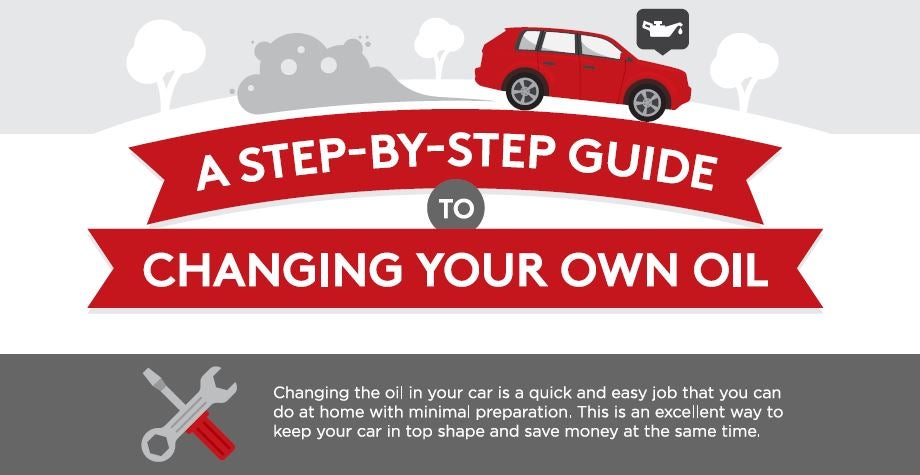
Step by Step Guide on Changing Oil

How to Change Your Car's Oil

Dog Sticking Head Out of Car Window | Indianapolis, IN

5 Tips for Protecting Your Vehicle When You Travel With Pets

If you have a furry friend, chances are you have had to take them in the car. As much as we love our pets, they can create quite a mess in our vehicles. Read on for five tips to help you protect your vehicle from your favorite sidekick. 1. Keep Your Pet Groomed Making sure your pet receives frequent grooming or baths can go a long way in keeping your car clean. Clean pets will leave less hair, dirt, and oils in your vehicle. Keeping Fido clean will also prevent fleas and flea dust from infiltrating your car. Make sure that nail trimming is included in your pet's grooming or regular bathing schedule. Long pet nails can puncture upholstery, resulting in costly repairs. more 2. Cover Your Seats Protect your upholstery by using durable seat covers and floor mats. Seat covers should ideally be machine washable for easy cleanup after a trip with your pet. For your floor, choose plastic mats or rubber liners to create an easy-to-clean and nonskid surface. Seat and floor covers are great if you have a pet that gets carsick often. Clean mats and liners can be kept in the trunk when not in use. 3. Give Your Pet a Secure Space You can improve the cleanliness of your vehicle by restricting your pets to one area of your vehicle. Pets should be secured in the back seat with a seat belt harness or in a crate. Be sure to secure crates so that they don't slide in your vehicle. By limiting the area your pet can explore, you not only make the trip safer for everyone, but you limit the areas you need to pet-proof and/or clean after a trip. 4. Be Mindful of Feeding Times and Bathroom Breaks To prevent an upset stomach while in the car, feed your pets a light meal three to four hours before you plan to leave. It is also a good idea to provide bottled water for your pets if traveling far away from home. Water from distant locations can cause an upset stomach while in the car. Make sure your pet goes to the bathroom before getting into the car. When on long trips, be sure to include bathroom breaks for your furry friend. Frequent breaks to go to the bathroom and stretch will decrease the likelihood of an accident happening in your car. 5. Keep a Cleanup Kit in Your Car Prevent permanent staining and odors by cleaning up pet messes as quickly as possible. Keeping a stocked cleanup kit in your car will make cleanup quick and easy no matter where you are. Cleanup kits should include lint rollers, spot-removers, cleaning solutions, a waste scoop, plastic bags, paper towels, wipes, towels, blankets, and air fresheners. Be sure all cleaners are both pet safe and the correct cleaning materials for your car. Using these five tips can help make every car ride more enjoyable for both humans and pets alike. If you need some new wheels for your next road trip, head over to see us at Tom O'Brien Chrysler Jeep Dodge Ram - Indianapolis today. Image via pexels.com

Chocolate Lab in Puddle in Forest

4 Tips for Offroading with Your Dog in Your Jeep Wrangler

The Jeep Wrangler is arguably the most iconic utility vehicle of all time, and for good reason. Taking one on an off-road adventure with friends can be incredibly fun, but bringing your dog along is even better. Off-roading with your best friend can be very exciting, especially if you follow these tips. Make Sure It's Legal Before hitting the trail, you should make sure that the park you've chosen allows dogs. Most state or government-administered public lands require that all dogs must be kept on a leash, so if you are planning on stopping somewhere and going on a hike, you better bring a leash for your buddy. There are also areas where dogs are not allowed, like wildlife refuges. more Strap Your Dog Tight Driving on rough terrain can be bumpy, so you better make sure you won't lose your dog somewhere along the way. This is a real danger even for human passengers who are not wearing seatbelts, but for an unsuspecting doggy, even a minor bump can be trouble. First of all, you should buy a chest harness, one that goes over your dog's head and attaches itself close to its chest, to prevent neck injuries. The best way to keep your dog from falling out of the vehicle while also giving it the freedom to roam around the cabin is getting a dog seatbelt adapter. This piece of equipment links the dog's leash to the Wrangler's seatbelt and can be loosened or tightened. Ideally, you'll want to give your pal enough freedom to stick its head out the window and enjoy the view and smell the fresh air. Pack for Two When packing supplies for your trip, don't overlook the fact that there will be two of you out there. Make sure that you have enough food and fresh water, along with familiar dishes from which it can comfortably eat and drink. Depending on the temperature outside, you also need to make sure your pup won't get too hot or too cold on your journey. Your dog would go anywhere with you and enjoy itself no matter what, so the least you can do is keep it comfortable, well-fed, and hydrated. Protect Your Dog From Pests If you choose to go on a hike, you will need to make sure that your canine companion is up to date with all of its vaccines and other medical needs. In particular, you should make sure your dog is up to date on its flea and tick and heartworm prevention medications. Going on an off-road adventure in your Jeep Wrangler with your dog can be a wonderful experience for the both of you. However, remember that, just like you count on your Wrangler to get you out of tight spots, your dog is counting on you to keep it safe. Make sure you have the right equipment and that your dog is properly vaccinated. Follow these tips, and keep you furry friend's safety in mind when hitting the trails. Image via pixabay.com

Snowy Road in Winter

5 Tips For Safe Driving This Winter

Indianapolis, Indiana, and its surrounding areas are known for heavy snow and low temperatures throughout the winter. This makes for challenging driving conditions for a good portion of the year. As you prepare for the rough roads outside, follow these safe winter driving tips. 1. Get Your Vehicle Checked One of the best ways to prepare for driving safely in the winter is to make sure your car is ready for snow, ice, and cold temperatures. Head to a service center, and get your car battery checked. If your battery is old, you might want to replace it. Cold weather can be hard on an old car battery, leading to trouble getting the car to start. Have them check your tires and brakes, as well. Tires should have a decent amount of tread to handle snow and ice, and your brakes will need to be in good shape for stopping power. Also make sure you're using all-weather windshield wiper fluid so it doesn't freeze in the lines. more 2. Slow Down Leave yourself plenty of time to get where you need to go when the weather is bad, so you never need to drive fast on dangerous roads. If you're on a highway, stay in the farthest right lane, and let other drivers pass you. Take it slow, and keep both hands on the wheel when driving on ice or through snow. The faster your wheels are turning, the more difficult it will be to maintain traction. 3. Keep a Safe Distance While you should always keep a safe following distance between your car and the vehicle in front of you, that distance should increase during winter driving conditions. The ideal distance in normal conditions is three seconds or about 16 car lengths. This should double when driving in snow or over ice, as you want to make sure you'll have plenty of time to come to a full stop before reaching the car in front of you. 4. Always Have Enough Gas It's always a good idea to keep your gas tank filled above a quarter tank, especially in the winter. Bad weather is not a good time to play risky with your gas levels. Any time your tank dips below half full, find time to fill up. This will help ensure you're never stranded in the cold or a snowstorm. 5. Stay Home When You Can If the roads are icy or it's snowing heavily, opt to stay home if you can. Some winter driving conditions are quite dangerous and should be avoided, if possible. Check the weather before making plans, and avoid going out when it's calling for a storm. If you absolutely need to leave, consider using one of the many available navigation apps that show real-time information about accidents and road closures. Plan to take the route with the least amount of hills and sharp turns, and try to stay on major roads that are likely to be plowed and salted. Stay safe this winter by following these driving tips. If you live in an area with particularly rough roads and bad weather, consider buying a vehicle with all-wheel drive and strong capability features. Image via pexels.com

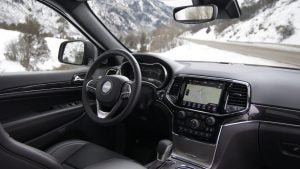
2020 Jeep Grand Cherokee Interior

5 Things to Take Into Consideration During Your Next Test Drive

When you're thinking about buying a new vehicle, it's a good idea to do a little test driving beforehand. Whether you've never owned a vehicle or this is just another one of many for you, there are some things you should keep in mind while you're out driving around in a potential new car. This list of several things you should consider during your next test drive will help you make the best decision possible. 1. Drive on the Highway It's important that the car you're thinking of buying gets up to speed comfortably. Taking it on the highway, where you can drive it up to at least 55 mph or more, will allow you to feel how it accelerates. If it struggles or feels sluggish, then it might not be the car for you. On the other hand, if it has good power, but doesn't allow you to change lanes smoothly, it could be a sign of a steering issue. Changing lanes a few times will help you test this, as well as check your blind spots. more 2. Stop and Go Traffic Also, it's a good idea to test drive the car through the city, where you'll feel how it stops and starts. See how the vehicle feels when you're idling at a stop light or stop sign. Get a feel for how it starts again once you get going. It will let you know how quickly the brakes react when you apply pressure and how the engine feels when you press on the gas. 3. Pay Attention to the Fuel Gauge The gas mileage you can expect varies from car to car. However, paying attention to the fuel gauge during your next test drive will give you a good indication of what to expect if you purchase the vehicle. Obviously, if you are test driving an SUV, the mileage will be different than a sedan, but you want it to be within a reasonable range for the particular vehicle you're driving. 4. Bring a Friend If you know someone that really knows their stuff when it comes to cars, don't be afraid to ask them to come along on your test drive. It never hurts to get a second opinion, especially if that opinion is more knowledgeable than yourself. They can help you listen for knocks or clicks that shouldn't be there. It's also helpful to have a friend in the passenger seat so that they can tell you how their experience riding along is. 5. Look It Over You can look the car over either before or after your test drive. This is when you want to look for any dings or scratches in the paint job. Open the hood and have a look at the engine. You should do this both with it running and with the engine off. Take a look around the inside as well. Check all the seats for tears, look closely at the dashboard, turn the air conditioning and heating on, listen to the radio. Taking a car for a test drive before you take it off the lot is always a good idea. Use this list to make sure you're getting a great vehicle and go for your next test drive prepared. Browse our inventory at Tom O'Brien Chrysler Jeep Dodge Ram - Indianapolis and schedule your next test drive today! Image via jeep.com

Tire Wear and What it Means in Indianapolis, IN

Different Tire Wear and What It Means About Your Driving

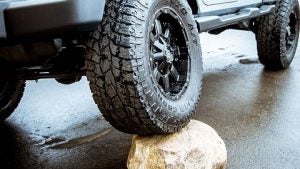
The different signs of tire wear tell an interesting story about the way you drive. Accelerating, braking, and cornering can all contribute to uneven friction on your wheels, causing them to wear down more quickly. Beyond making sure your tires are correctly inflated, help optimize your tire performance by breaking these bad habits. Jumping Off the Line You probably already know that fast acceleration and spinning your tires isn't good for them. While it might feel essential to get the jump on that green light, is it worth replacing expensive tires and increasing the chance of an accident? If you hear your tires squealing, this is a clear sign of impending damage. Tires often spin in place before traction kicks in, launching you off the line. This spinning is unmerciful to your tread.When driving in the city, avoid slamming down on your Chrysler's accelerator as you make your way through traffic. If you don't, your tires will never last as long as the manufacturer intended. more Hard Cornering The faster you take a corner, the harder your tires have to work to keep you on the road. This unnecessary force tears away at your tire's tread, and you might start to notice rounding on the tire's shoulders when you're looking at it straight on. Proper inflation pressure helps optimize the distribution of vehicle load forces in the tread, but only if you're taking those winding roads at the posted speeds. Aggressive handling may also cause warping, high and low spots, and an oblong shape to your wheels. Braking at the Last Minute Do your tires have flat spots? Then chances are you're a heavy breaker. Applying too much force at the last minute may cause your brakes to lock up and your car to skid to a halt on its tires. This habit causes noticeable flat spots in your tread. If you consistently brake hard, it will reduce your tire's remaining tread because of the increased friction. It will also cause abnormal wear patterns and may eventually knock your car out of alignment. Hitting the Curb One common cause of tire tread wear is bouncing off curbs. Yes, we've all done it, but it does affect the condition of your tires if you do it frequently. Hitting the curb or a pothole can knock your wheels out of alignment and can compromise the quality of your car's handling. If you notice signs of wear, such as cracking and bulging or a feather edge on one side of the shoulder, get your tires and your car's alignment checked right away.According to automotive experts, the key to proper alignment is to match the angle of your vehicle's tires and their contact with the road. Chrysler provides precise specifications for all the alignment parameters including camber, toe, and caster. The life of your tires is directly related to how you drive and how quickly your tread wears out. Your tires are there to grip the road, and without adequate hold, you're treading on dangerous ground. Image via Pixabay

Contact Us

Fill out this form below and we'll contact you shortly
*Required Fields